
SCOTTISH CHARITABLE INCORPORATED ORGANISATION · OSCR REG. NO. SC054781 · ABERLADY, EAST LOTHIAN, SCOTLAND

Aberlady Community Flock (SCIO)

Community Conservation Grazing, Native Flock Welfare & Grassland Stewardship in East Lothian

OSCR: SC054781 Registered 25 November 2025 · Active SCIO

Aberlady, East Lothian · Coastal & Community Grassland Stewardship

Restoring East Lothian coastal and parish grasslands through community conservation grazing

Aberlady Community Flock (SCIO) is a Scottish Charitable Incorporated Organisation registered with the Scottish Charity Regulator (OSCR) under charity number SC054781 on 25 November 2025. Working directly alongside residents and conservation volunteers in Aberlady, we manage hardy native sheep to maintain flower-rich coastal swards, check invasive scrub, and protect biodiversity for public benefit.

Established exclusively for the advancement of environmental protection or improvement and the advancement of public ecological knowledge, our charity pairs practical animal husbandry under strict veterinary welfare standards with open citizen-science plant recording and traditional countryside craft demonstrations. Every activity and public walk is open without fee or restriction across our East Lothian community.

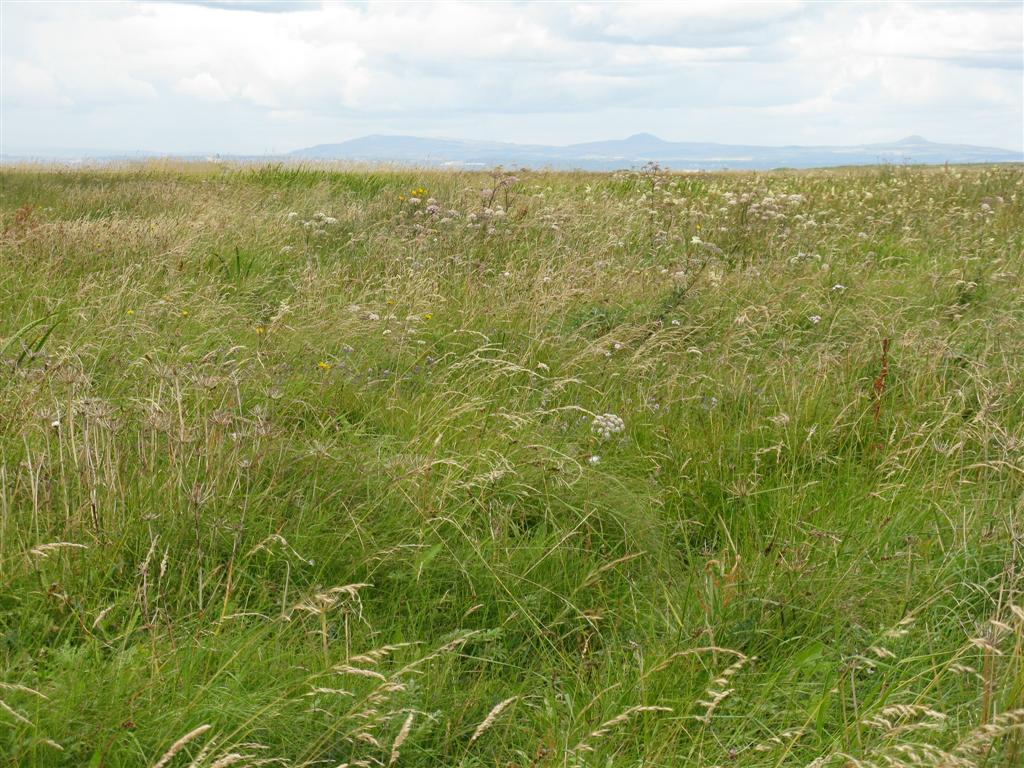
Open coastal grassland sward and gentle turf undulations at Aberlady Bay in East Lothian
Plate I — Coastal grassland sward at Aberlady Bay, East Lothian (OS Grid NT 46 80). Light seasonal grazing prevents rank grasses from shading out coastal wildflowers and dune-slack flora. Photograph © M J Richardson (Geograph Britain & Ireland, CC BY-SA 2.0).

Charitable Objects Clause 4.1.1 & 4.1.4 · Habitat Restoration

Why conservation grazing matters for Aberlady grasslands

Left unmanaged, fertile meadow and coastal margins in East Lothian quickly become dominated by vigorous coarse grasses—such as false oat-grass and cock's-foot—as well as encroaching bramble, gorse, and sea-buckthorn scrub. Thick dead-litter thatch builds up over autumn and winter, shutting out spring sunlight and suppressing low-growing calcareous herbs.

Unlike mechanical flail mowing, which cuts vegetation to a uniform height in a single pass and strips invertebrate pupae from stems, low-stocking grazing by native primitive sheep leaves a patchy structural mosaic. Varying bite height and light hoof tread create exposed mineral pockets where annual and biennial wildflower seeds can germinate alongside sheltered tussocks for ground-nesting beetles and solitary bees.

Four Ecological Outcomes Tracked Across Compartments

  • Wildflower Recruitment: Encouraging meadow vetchling, bird's-foot trefoil, yellow rattle, kidney vetch, and coastal orchids by thinning winter grass thatch.
  • Scrub Equilibrium: Keeping young sea-buckthorn and bramble shoots in check while retaining mature berry-bearing shelterbelts for coastal passerines.
  • Zero-Input Nutrient Cycling: Grazing without artificial nitrogen fertiliser or routine broad-spectrum wormers protects dung-beetle guilds and soil fungal networks.
  • Whole-Flock Resource Stewardship: Raw autumn fleece clippings unsuitable for textiles are repurposed locally as biodegradable garden mulch and wildlife nesting wool.
Tidal coastline, saltmarsh fringes, and dune grass margins at Aberlady Bay in East Lothian
Plate II — Tidal flats, saltmarsh fringe, and coastal grassland at Aberlady Bay. Balanced seasonal grazing sustains estuarine-edge meadow diversity without soil compaction. Photograph © Mike Pennington (Geograph, CC BY-SA 2.0).
Figure 1 — Botanical structure comparison: Unmanaged rank sward accumulates smothering litter and scrub (left), whereas low-intensity conservation grazing maintains light gaps, deeper root diversity, and summer nectar flora (right).

Charitable Objects Clause 4.1.2 · Animal Health & Husbandry

Hardy native breeds and five-pillar flock welfare

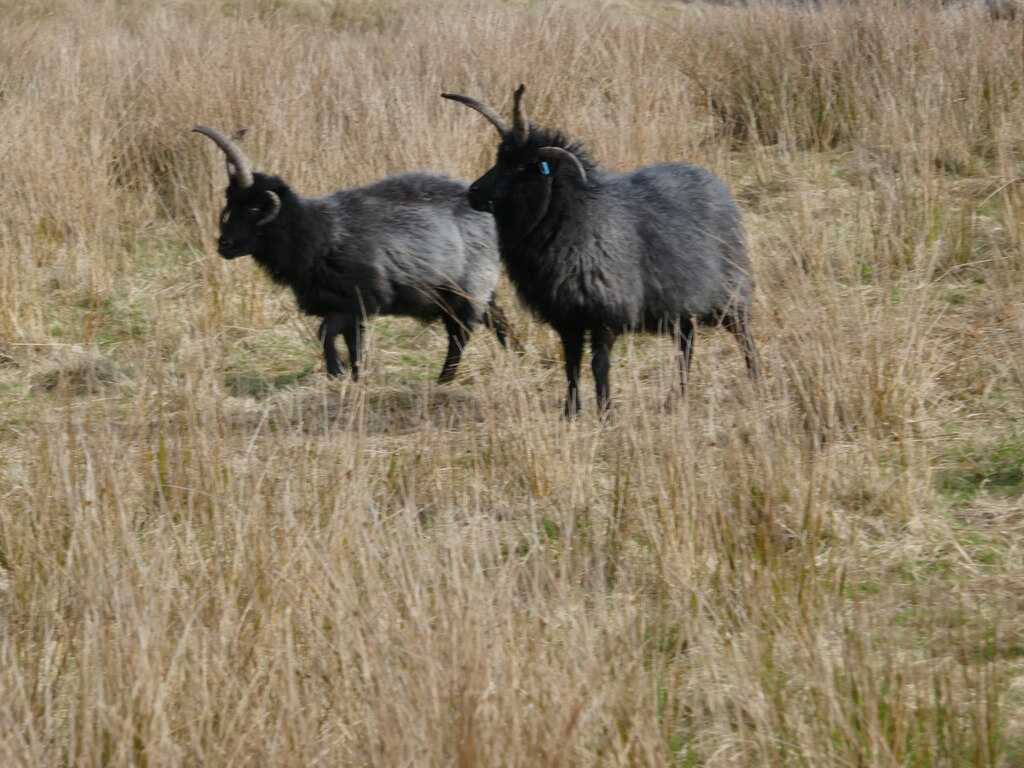
Black-fleeced Hebridean sheep grazing rough Scottish pasture and scrub margins
Plate III — Native Hebridean sheep browsing coarse Scottish sward. Light-framed heritage breeds convert fibrous winter herbage efficiently without poaching wet turf. Photograph © Jonathan Thacker (Geograph, CC BY-SA 2.0).

Hebridean & Shetland Heritage Grazing Breeds

Northern primitive breeds—such as black-fleeced Hebrideans and slender-legged Shetlands—evolved on windswept Scottish coastal grazings. They readily browse tough sedges, rushes, and woody scrub shoots that commercial lowland sheep leave untouched, while their light bodyweight prevents soil rutting in damp East Lothian winters.

Mandatory Flock Welfare & Veterinary Standards

  • 1. Clean Water & Balanced Forage: Fresh trough water checked daily alongside adequate roughage and coastal mineral licks tailored to soil trace-element levels.
  • 2. Natural Shelter & Dry Standing: Every grazing paddock includes windbreak hedging, gorse lee shelter, and well-drained upper ground away from tidal surges.
  • 3. Preventive Health & Targeted FEC Monitoring: Registered clostridial vaccination (Heptavac-P) and seasonal faecal egg counts (FEC) ensure parasites are treated only when thresholds require, preserving soil invertebrates.
  • 4. Seasonal Hoof Care & Summer Shearing: Scheduled summer shearing in warm dry weather prevents wool-cast and flystrike; feet are inspected promptly for scald or overgrowth.
  • 5. Registered East Lothian Veterinary Cover: Continuous arrangement with a local farm veterinary practice and mobile handling hurdles trained gently with bucket feeding rather than forceful dogs.

Charitable Objects Clause 4.2.2–4.2.3 · Rural Craft & Citizen Science

East Lothian seasonal grazing log & countryside skills

Under Clause 4.2 of our SCIO constitution, we treat every grazing rotation as an open-air living archive for the community. Residents and wildlife recorders contribute botanical counts while learning sustainable upland-style stockmanship, dry-stone and post-and-wire fencing maintenance, and habitat observation in partnership with East Lothian's wider conservation network.

Winter 2025 / 26 · Registration & Baseline Audit

SCIO incorporation & boundary walkovers

Formal registration granted by OSCR on 25 November 2025 (SC054781). Completed winter walkovers assessing perimeter stock-fencing tension, water access points, and sheltered winter lie-back areas.

Spring 2026 · Flora & Soil Transects

1m × 1m botanical quadrat recording

Established fixed citizen-science marker stakes to log baseline sward height, grass-to-forb ratio, and early pollinator emergence prior to summer flowering rest periods.

Summer 2026 · Flowering Rest & Husbandry Skills

Wildflower seed-set & open fencing workshops

Lower-density summer compartmentalisation allows perennial meadow flora to bloom and set seed while community volunteers practise electric net-fence rigging, wool grading, and foot-care demonstrations.

Autumn 2026 · Aftermath & Winter Thatch Browse

Trampling seed into autumn mineral soil

Flock rotated back onto dormant compartments once wildflower seed heads shed, opening up next spring's germination niches cleanly ahead of frost.

Figure 2 — Aberlady landscape context (schematic, not to OS scale): Showing Aberlady village (EH32), Tranter Crescent, Peffer Burn coastal corridor, and adjacent saltmarsh/dune grassland edges along the Firth of Forth.

Community Stewardship · Daily Observation Rota

Volunteer Flock "Lookers" daily checking routine

In keeping with traditional Scottish grazing commons and East Lothian countryside volunteer practice, trained local unpaid volunteers walk a quick 15-minute perimeter check across active compartments on scheduled rota days. No physical handling of sheep is required without a trustee present; accurate visual reporting keeps the flock safe.

  1. Full Head Count: Confirm all sheep in the compartment are accounted for and wearing legible statutory ear tags.
  2. Mobility, Posture & Grazing Behaviour: Verify ewes and wethers are grazing steadily, chewing the cud, and walking soundly without limping or lagging apart from the group.
  3. Seasonal Coat & Welfare Check: In mild wet spells check fleeces for signs of wool-cast or flystrike; confirm horns and hooves clear perimeter netting safely.
  4. Perimeter Fencing & Gate Latches: Walk boundary lines for windfall branches, sagged tension wire, or unhooked pedestrian latches.
  5. Water Trough & Logbook Entry: Clear leaves from the float valve, confirm clean water flow, and message any irregularity directly to the Charity Trustee rota contact.

Public Benefit & Statutory Accountability · OSCR Register

Official Scottish Charity Register, Trustee & Governance Statements

All details published below match our statutory entry maintained by the Office of the Scottish Charity Regulator (OSCR) for charity number SC054781.

Registered Charity Name Aberlady Community Flock (SCIO)
Scottish Charity Number SC054781 — Verify live record on OSCR Public Register ↗
Constitutional Form & Status SCIO (Scottish Charitable Incorporated Organisation) · Status: Active · Regulatory Type: Standard · Designated Religious Body: No
Date of Registration 25 November 2025 (25/11/2025)
OSCR Charitable Purposes The advancement of environmental protection or improvement; the advancement of public ecological and environmental knowledge through community fieldwork.
Registered Principal Address 7 Tranter Crescent, Aberlady, East Lothian, EH32 0UF, Scotland
Financial Period & Accounts Inaugural accounting period ends 31 March 2027 (OSCR Mailing Cycle: 2027). Current OSCR historical income/expenditure registers £0 prior to completion of the first statutory accounting year.

Registered Board of Charity Trustees

Published in alignment with the Charities (Regulation and Administration) (Scotland) Act 2023 mandatory trustee disclosure rules effective 9 March 2026:

Name Office & Governance Role Remuneration Direct Correspondence
David Fleetwood Chair & Founding Charity Trustee (OSCR Registered SC054781) Unpaid Voluntary Capacity (£0) david.fleetwood@aberlady-flock.org.uk

Governance Documents & Policy Statements

1. Constitution Extract & Clause 4 Charitable Objectives (SC054781)

4.1 Environmental Protection & Biodiversity: To advance biodiversity in and around Aberlady through responsible conservation grazing, sustainable land management, habitat restoration, and the highest standards of animal welfare—ensuring proper shelter, clean water, seasonal nutrition, and prompt veterinary care.

4.2 Rural Craft & Public Environmental Literacy: To broaden public understanding of conservation grazing, traditional countryside husbandry skills, habitat stewardship, and citizen-science botanical recording among local residents and voluntary participants of all ages.

2. Animal Health, Biosecurity & Veterinary Care Policy

All livestock under the care of Aberlady Community Flock (SCIO) are managed in strict compliance with the Animal Health and Welfare (Scotland) Act 2006, Scottish Sheep Identification & ScotEID movement recording regulations, and seasonal biosecurity protocols.

Routine veterinary prophylaxis, foot trimming, shearing, and targeted worm-egg counts are logged in our Flock Medicine Book held at 7 Tranter Crescent, Aberlady.

3. Volunteer Looker Safety & Community Safeguarding Statement

Volunteer sheep checkers never enter high-risk handling pens alone and receive clear field briefing on uneven coastal terrain, gate safety, and tick awareness. Open community field days follow PVG-aligned adult safeguarding standards under Scottish charity guidance.

4. Financial Controls, Reserves & Inaugural Accounting Notice (Ending 31 March 2027)

Every donation, local grant, and environmental sponsorship is ring-fenced for livestock veterinary care, stock-fencing materials, mineral licks, and habitat surveys. No Charity Trustee receives personal remuneration or profit from charitable assets. Our first statutory Annual Report and Accounts covering incorporation through 31 March 2027 will be filed with OSCR in accordance with the 2027 reporting timetable.

5. UK GDPR Data Protection & Zero-Cookie Website Notice

Data Controller: Aberlady Community Flock (SCIO), 7 Tranter Crescent, Aberlady, East Lothian, EH32 0UF, Scotland (enquiries@aberlady-flock.org.uk). This static informational website sets zero advertising trackers, zero analytics profiling scripts, and zero third-party marketing cookies.

Direct Contact & Flock Welfare Alerts

Correspondence & Registered Office Details

We do not collect third-party web-form tracking records on this site. Please write directly by email or post to reach the flock rota team or the Charity Trustee in Aberlady.

General, Grazing & Volunteer Lookers

For grassland partnership enquiries, seasonal botanical surveys, rural craft workshops, or joining the local Volunteer Sheep Checkers rota:

enquiries@aberlady-flock.org.uk

Trustee, Grants & Governance

For formal statutory correspondence, regulatory checks, institutional grant applications, or landowner grazing agreements addressed to David Fleetwood:

david.fleetwood@aberlady-flock.org.uk

Registered Office & Welfare Reporting

Aberlady Community Flock (SCIO)
7 Tranter Crescent, Aberlady
East Lothian, EH32 0UF, Scotland

Urgent stock-out or welfare concerns in East Lothian should also be flagged promptly via the Looker rota.